
Individual Life against Collective History
Doctor ZhivagoThis flow traces how the novel gives ordinary private lives weight equal to the large events that claim to represent them.
increasing Bearing strength in each event
 decreasing
Bearing strength in each eventdecreasingThe Individual in the Gospel
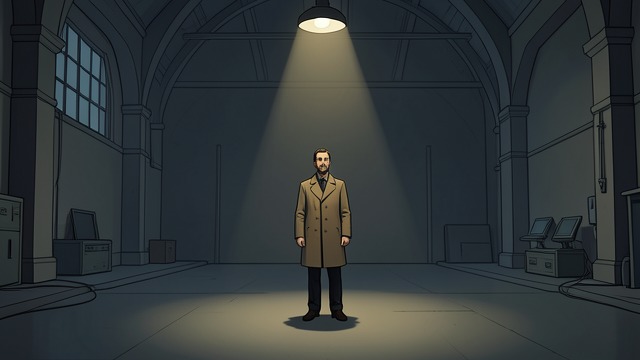
The Individual in the Gospel
A different scale
Vedeniapin presents the Gospel as a turn from nations and leaders toward individual life.
Zhivago learns to see the ordinary person as historically meaningful.
The idea resists narratives that sacrifice individuals to abstractions.
The Stranger at the Front
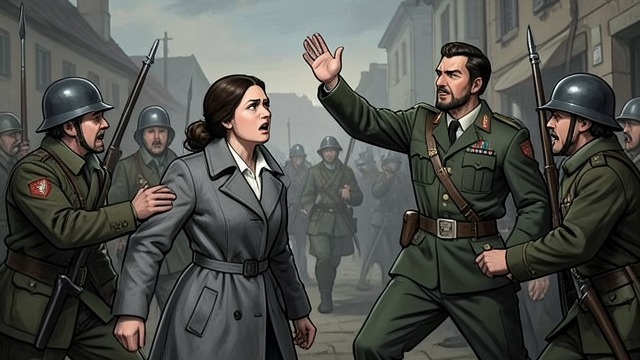
The Stranger at the Front
Recognition across identity
Zhivago sees Jewish civilians mocked by soldiers and challenges the humiliation.
He argues that suffering cannot be justified by national categories.
The scene makes individual dignity an ethical demand.
Homecoming as Meaning

Homecoming as Meaning
The personal becomes central
After years of war, Zhivago recognizes his home and family as the goal of his journey.
He calls lived experience more real than political abstractions.
The longing for home counters the claim that history alone matters.
Love amid Upheaval

Love amid Upheaval
Private life as value
Zhivago and Lara understand their love as part of a larger natural and human whole.
They do not regard politics as the sole measure of their lives.
Their intimacy resists an era that demands total allegiance.
A Future of Readers
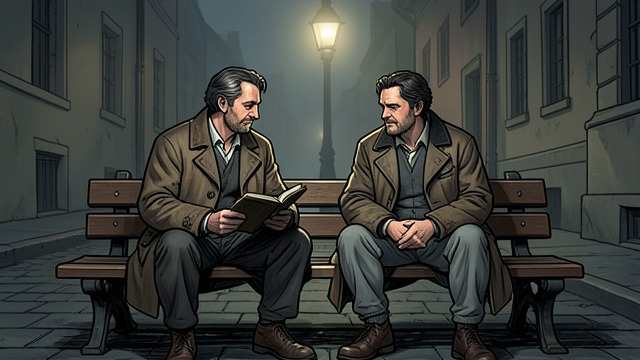
A Future of Readers
Individual memory endures
Gordon and Dudorov remember Zhivago as a person rather than a political symbol.
His writings keep particular lives visible within public history.
The novel locates hope in continuing acts of recognition.
during Zhivago’s early formation
during World War I
on Zhivago’s return to Moscow
during the Varykino years
after the Second World War
